
Cultivating Empathetic Learning Environments
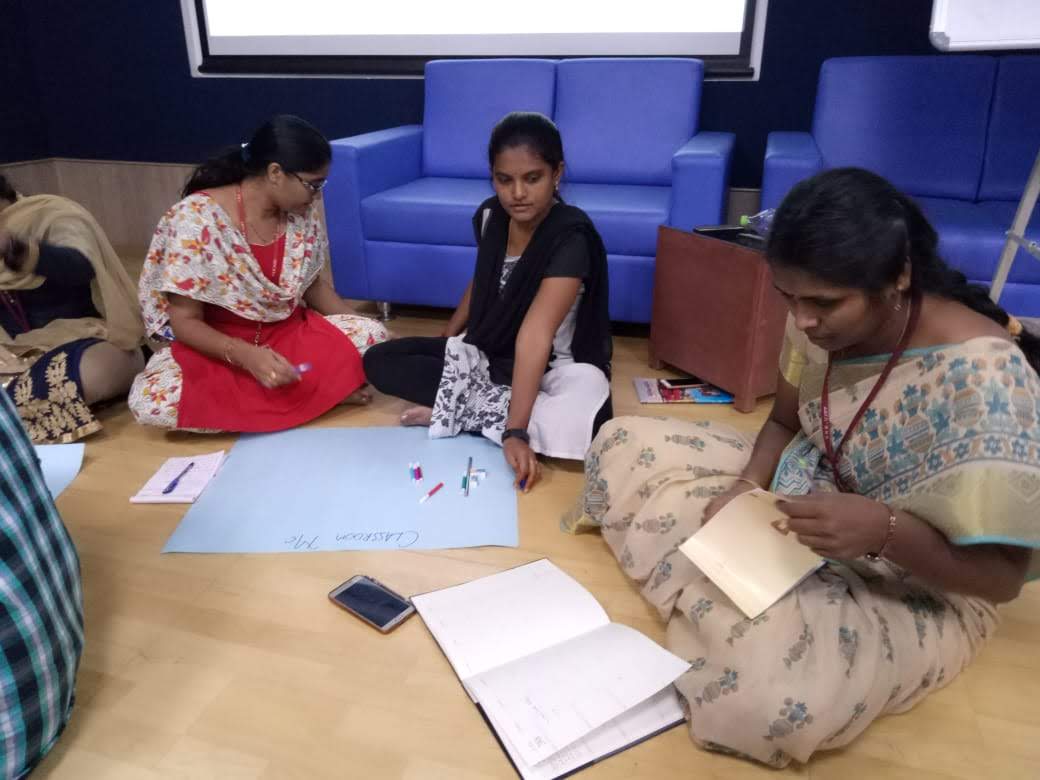
Beyond my direct research contributions, my five-plus years as an Assistant Professor (November 2016 – March 2022) established a strong foundation for my transition into UX Research. My specialization was in teaching and mentoring undergraduate students, using Design Thinking to nurture human-centered problem-solvers. I mentored hundreds of students (over 200 per class, every semester since 2019) in applying empathy to bridge theoretical knowledge with real-world application.
Role
Assistant Professor,
Design Thinking Expert
Project Duration
2019-2022
Industry
Education
Investment saved annually
₹1,500,000
Organization
VNR Vignana Jyothi Institute of engineering & technology
Challenge
The primary challenges in this role were two-fold: overcoming student reluctance and navigating academic complexity.
Bridging Theory to Practice: The key challenge was guiding students to truly grasp the gap between theoretical knowledge and real-world application, moving them beyond textbooks into hands-on problem definition and solution development.
Fostering Empathy: Nurturing empathy within students and teaching them to understand complex, sensitive user needs (e.g., senior citizens adopting technology, tackling global health problems) before ideating solutions.
Curriculum Design: Designing comprehensive learning experiences for engineering courses like "Design Sensitization" and "Design Thinking" and continuously refining the curriculum based on student outcomes and needs.
Results
My guidance resulted in a portfolio of student projects showcasing the application of human-centered research and design principles:
Smart Way to Open Bank Account: Students successfully applied empathy to define the problem of cumbersome bank account creation for teenagers, leading to the development of a web-based solution for temporary sub-accounts. They learned to integrate user needs with regulatory considerations.
Building Tech-Savvy 60+: Students demonstrated an iterative Design Thinking approach to digital inclusion, developing user-centric solutions such as simplified interfaces and physical aids to address senior citizens' challenges in adopting technology.
Canteen Queue Management: Students successfully applied empathy tools (questionnaires) to define the problem of long user frustrations, which resulted in the ideation of a packaged food system solution. They learned the importance of iterative testing and embracing diverse user feedback.
Locating Spots in an Area (Project Dora the Explorer): Students transformed a personal pain point (getting lost on campus) into a clear problem statement, focusing on creating a focused, reliable solution and exploring its broader, scalable applicability.
Pedestrian Road Crossing: Students went beyond regulations to analyze pedestrian behavior (e.g., reluctance to use bridges). They designed a novel incentive-based solution using QR scanners to encourage safer behaviors through creative, user-centric interventions.
Lack of Physical Fitness: Students learned to define a comprehensive mission for a global health problem, identifying diverse user segments (e.g., desk job workers) and designing solutions that considered holistic factors like mental state and diet.
Student-Faculty Research: The students successfully defined the need for a dedicated platform to foster innovation culture. They developed and iteratively tested prototypes (including a website and podcast), learning to incorporate stakeholder feedback on usability, engagement, and accessibility.
Thrift Stores in India: Students applied Design Thinking to a unique cultural and environmental problem, focusing on developing innovative marketing strategies to popularize sustainable fashion and shift societal perceptions regarding thrift stores.
200
Mentored per class per semester
₹7.5 M
Cost Avoidance
4
Faculty Development Programs
Process: Applied Pedagogy & Faclitation
My instructional approach mirrored the iterative, user-centered process of UX research, emphasizing active learning, facilitation, and continuous feedback.
Curriculum Development: Developed and delivered specialized courses, including Design Sensitization and Design Thinking, and led the development of a Design Thinking curriculum focused on community-centered design outcomes.
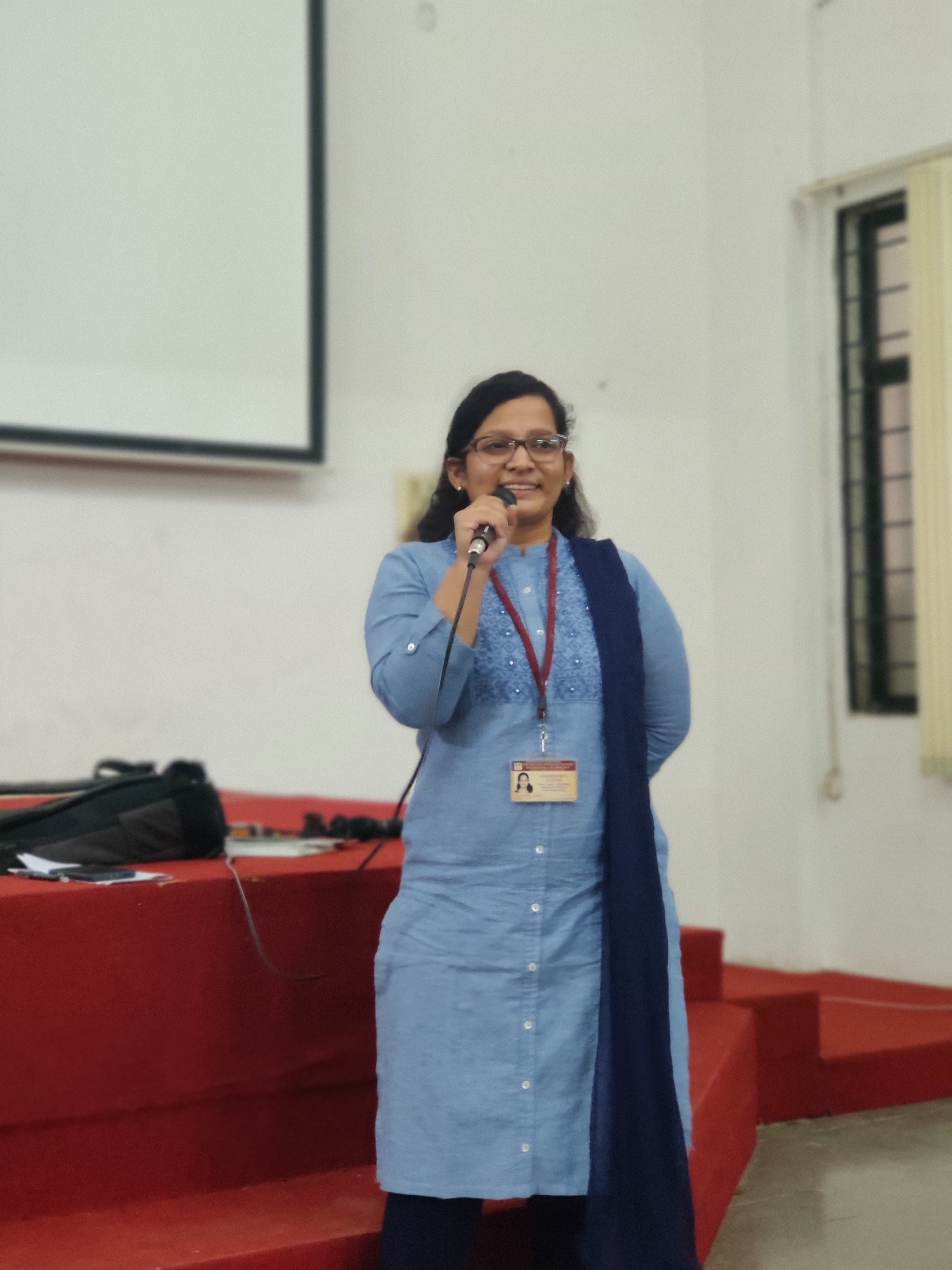
Faculty Training (FDPs): Designed and executed multiple Faculty Development Programs (FDPs) for internal and external faculty to enhance pedagogical skills and integrate innovative teaching methodologies.
Facilitation & Mentorship: Applied strong facilitation skills to help students navigate complex problem spaces. This involved guiding them through the Discovery phase, applying empathy tools, and managing feedback loops.
Stakeholder Collaboration: Consistently collaborated with faculty and administration, notably co-leading the student festival ECFICIO 4.0, which honed skills in communication and negotiation.
Key Learnings & Reflections (Transferable to UX)
My tenure as an Assistant Professor directly equipped me with a unique blend of pedagogical, analytical, and collaboration skills essential for an impactful UX Researcher:
Curriculum Design -> Research Planning: Structuring complex course information is directly transferable to designing robust, efficient research plans and comprehensive research reports.
Mentorship & Facilitation -> Stakeholder Alignment: My facilitation skills honed the ability to manage complex group dynamics and encourage consensus, which is essential for leading stakeholder workshops and driving alignment in a UX context.
Data-Driven Pedagogy -> Iterative Design: Using student learning outcomes to constantly refine the curriculum mirrors the iterative, user-centered process of using feedback loops to inform continuous product improvement.
Conclusions
The role successfully laid a strong foundation for UX Research by proving the ability to translate human-centered principles into tangible outcomes across diverse groups. My ability to facilitate complex group dynamics, encourage critical thinking, and foster empathy equipped me with the unique blend of pedagogical expertise and analytical skills crucial for an impactful UX Researcher.