
aTypical Community: Digital Safety for Communities
The Atypical Community project focuses on addressing loneliness and isolation among individuals with specific social needs, primarily serving the Quirky Buds user base. This initial research phase focused exclusively on neurodivergent (ND) adults to gain a deep understanding of their unique needs, experiences, and barriers related to forming friendships.
The primary goal of this phase was to establish a foundational understanding of the ND adult experience by:
Documenting neurodivergent friendship narratives and qualitative experiences.
Identifying core challenges ND adults face in forming friendships.
Comparing friendship formation in online versus in-person settings.
Exploring the dynamics and unique value of friendships between neurodivergent individuals.
Role
Lead UX Researcher
Project Duration
Sep - Nov 2025
Industry
Non-profit/ Social Connections
Organization
TechFleet + aTypical community
Challenge
The project faced significant friction in two areas:
A. User Experience Challenge (The "Why")
The central user problem was that forming connections is a high-effort process that relies heavily on managing energy and sensory limits to prevent burnout and overstimulation. The research aimed to address how to build a platform that supports the foundation of connection, which is based on authenticity and safety.
B. Business/Operational Challenge (The Bottleneck)
The CX Strategy workshops uncovered a severe operational risk:
Manual Matching Bottleneck: The manual matching process is not scalable and consumes excessive founder time, creating a major bottleneck for the entire business.
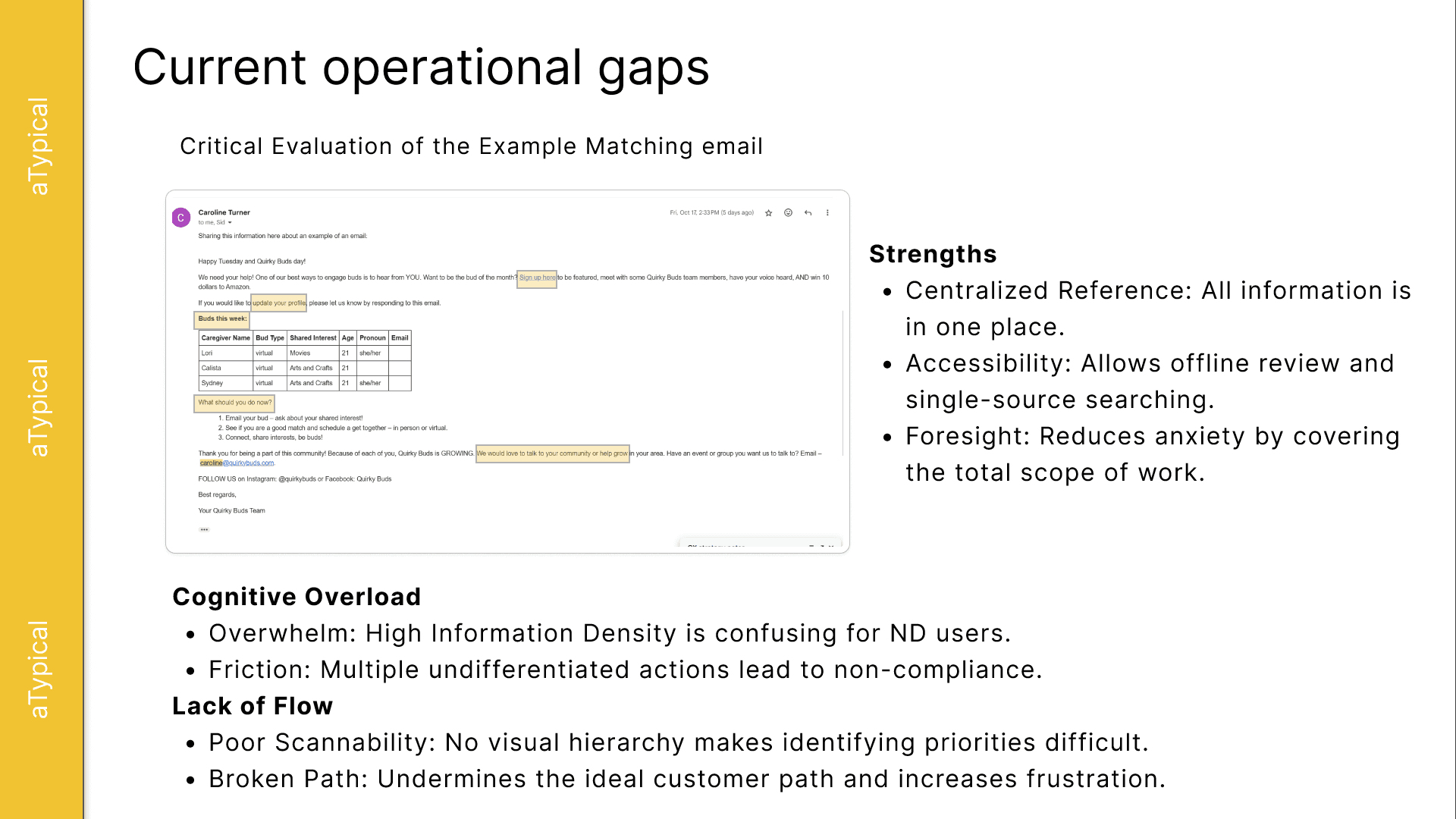
User Friction in Onboarding: Friction in onboarding and matching is preventing users from achieving core values (belonging, safety). The current design (the friction-filled Google Forms process) was identified as the main risk to user success.
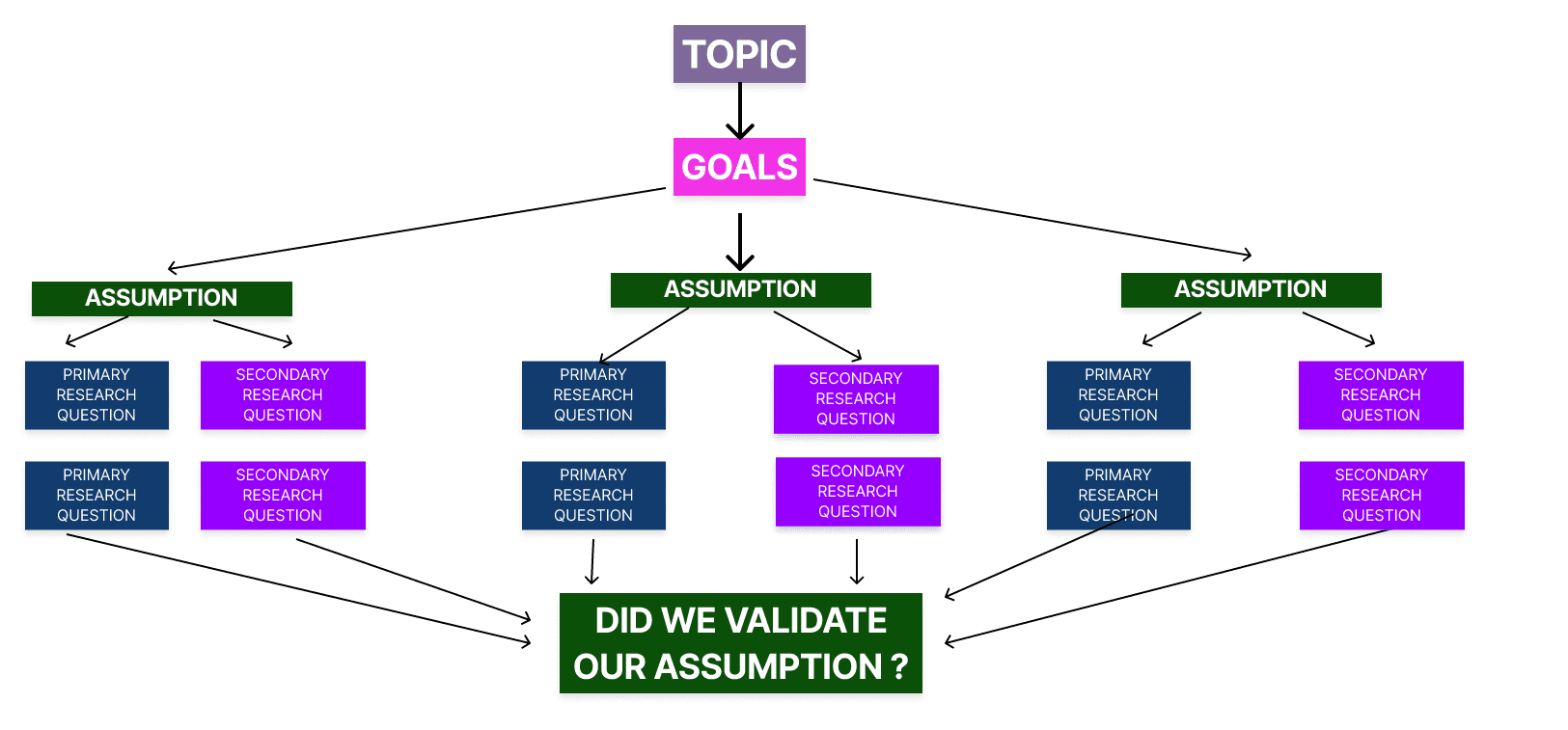
Riskiest Assumption: The team concluded the assumption that the current, friction-filled onboarding process successfully captures the required communication styles and comfort levels was "Likely False".
Results
The research established critical insights needed to design a successful platform:
Connection is High-Effort: Connections are high-effort processes that rely heavily on managing energy and sensory limits to prevent burnout and overstimulation.
Priority of Safety and Authenticity: The foundation of connection is built on authenticity and safety, prioritizing depth and quality of connection over quantity.
Communication Preference: Most respondents overwhelmingly prefer asynchronous, one-to-one text communication to manage social energy.
Role of Identity: Identity transparency (e.g., neurotype) is key to building trust and gauging compatibility. Shared neurodivergent identity can ease initial anxiety, but compatibility in communication style, energy levels, and conversational flow is ultimately more crucial.
Current User Pain Points: For existing users, minimal action after matching, unresponsive matches, and significant coordination difficulties were reported, highlighting the need for greater commitment and backend resources like structured guidance and planning tools.
Process
The team employed a range of methods across the discovery and analysis phases:
Qualitative Research:
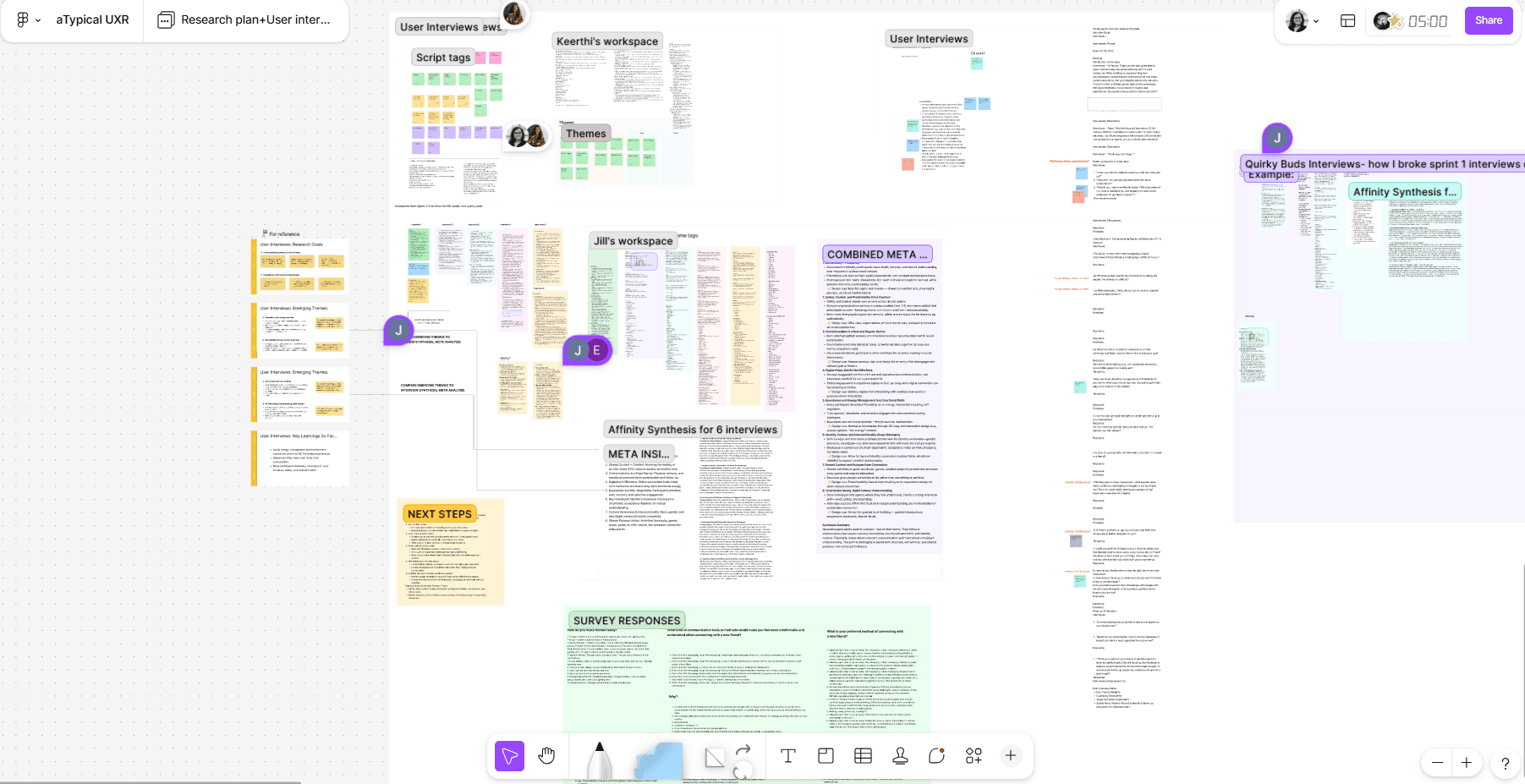
User Interviews: Conducted 8 interviews (2 users, 6 non-users). The team focused on making questions simple and keeping the duration brief (30 minutes) to accommodate participants.
Survey: Sent out a survey resulting in 10 total responses (4 led to interviews, 6 were questionnaire responses). The survey explored friendship experiences, communication preferences, and barriers.
Analysis & Synthesis:
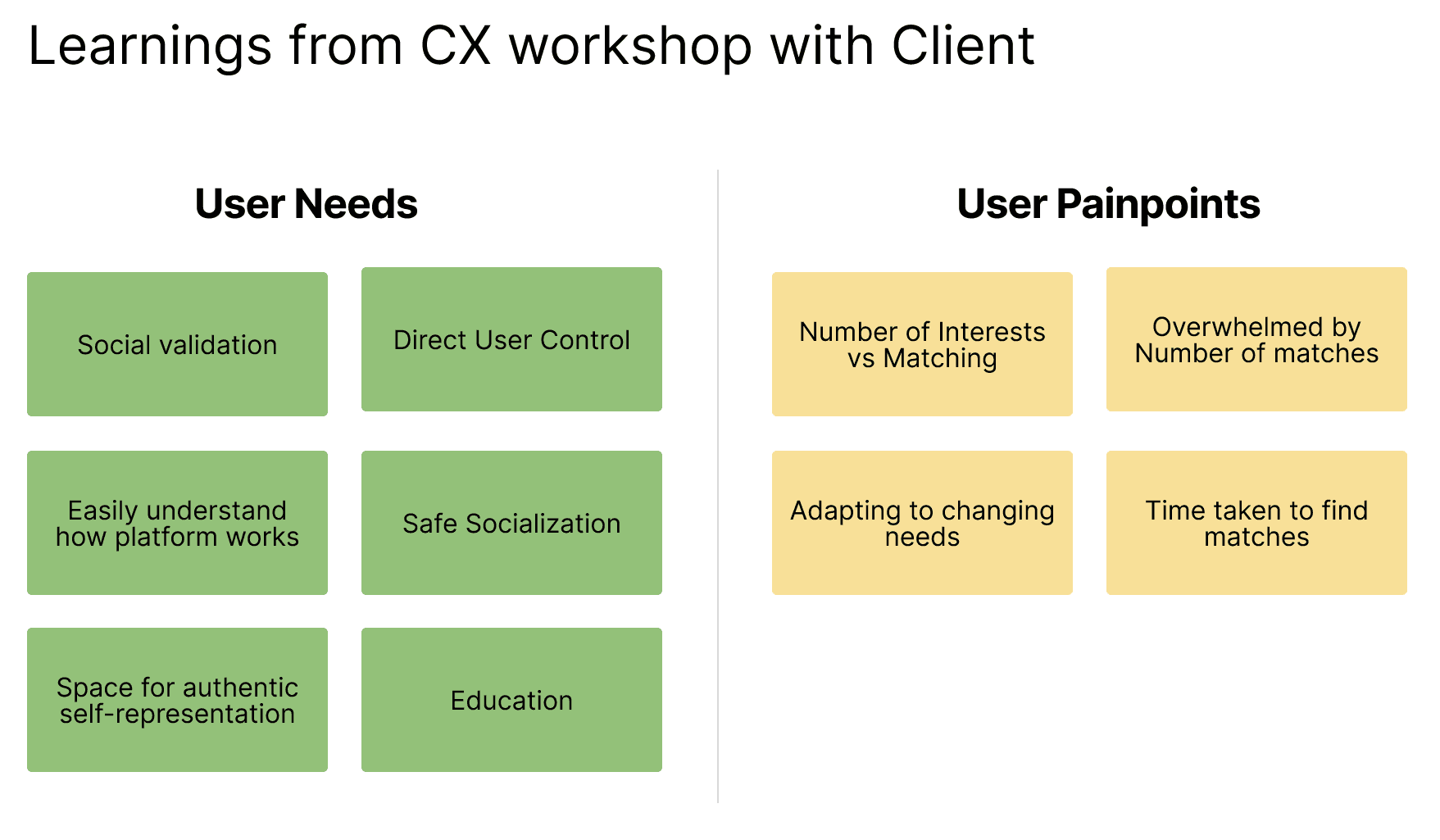
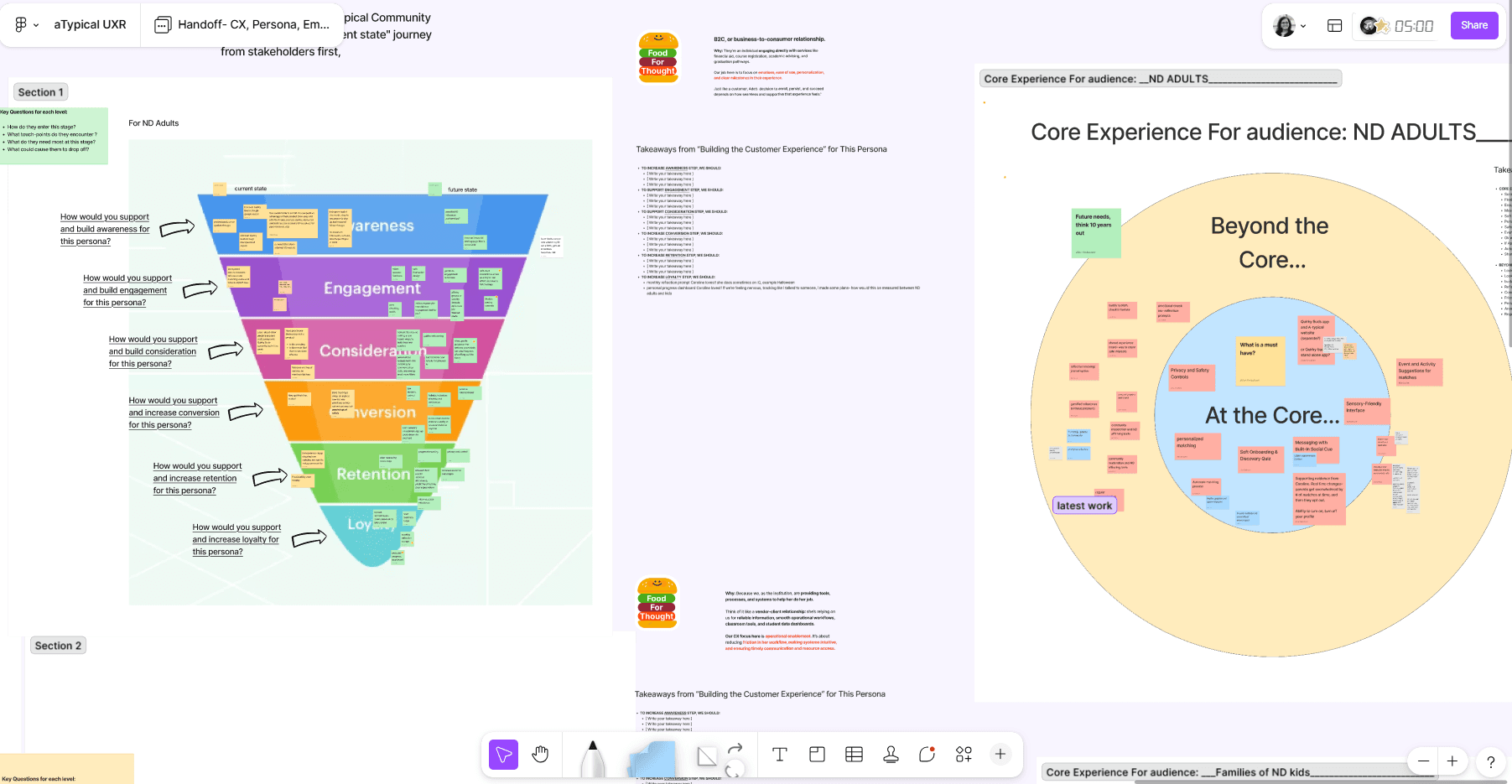
Proto-Personas/Empathy Maps: Created proto-personas and empathy maps for Neurodivergent adults and Parents/Caregivers of ND Children. These were reviewed in a CX workshop with the client.
Secondary Research: Conducted social listening and literature reviews (with the aid of AI) focused mainly on autistic and ADHD populations.
Strategic & Competitive Analysis:
CX Strategy Workshops: Conducted two workshops with the client to review proto-personas, analyze the conversion funnel, and establish the core/future experience, leading to the identification of the operational risk.
Competitive Analysis (Comp Analysis): Reviewed three direct competitors (Hiki, MAF, and Best Buddies) to validate core MVP features and gather insights on features, costs, and design patterns.
Conclusion
The research concluded that the existing system is creating friction for both users and the business. The current, "friction-filled" onboarding process is the main risk preventing users from finding safety and belonging, while the manual matching process is unsustainable and blocking business growth. The path forward requires a shift to a new design, focused on automation, robust accessibility, and translating complex user needs (like safety and specific communication styles) into functional product requirements.
Key strategic and product conclusions for the next phase are:
Solve the Bottleneck: Build a Smart Matching Helper to automate the time-consuming user-sorting process, making the business model scalable.
Redesign Mandate: Mandate a Responsive Web Design (RWD)-First approach for the MVP to ensure fast, cost-effective, and broad deployment.
Accessibility First: Treat Accessibility for the neurodivergent audience (aiming for WCAG 2.1 AA compliance) as a non-negotiable, foundational requirement.
Immediate Fix: Implement quick UX writing updates to the current Google Forms to immediately reduce user confusion and friction.
Next Research Focus: Prioritize Usability Testing of the existing onboarding to capture specific user pain points for the upcoming redesign.
Key Learnings & Reflections
Strategic Impact: I successfully utilized discovery research to diagnose and propose solutions for systemic operational risk, confirming my capability as a strategic partner comfortable with ambiguity.
Stakeholder Alignment: The client's active presence in the CX workshop was a major asset, boosting morale and securing critical alignment across the team.
Advocacy & Ambiguity: The project deepened my expertise in advocacy and navigating highly ambiguous problem spaces, successfully translating complex user needs into actionable strategy.
Get Athos Pro